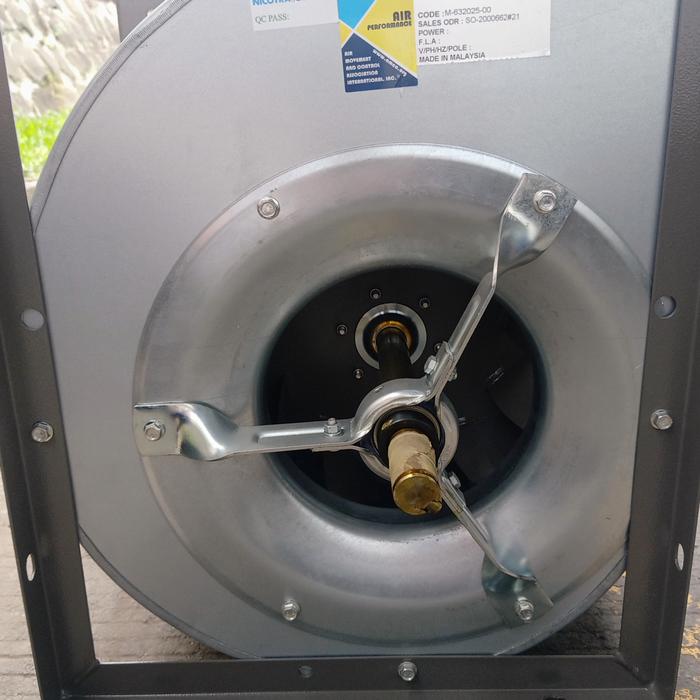
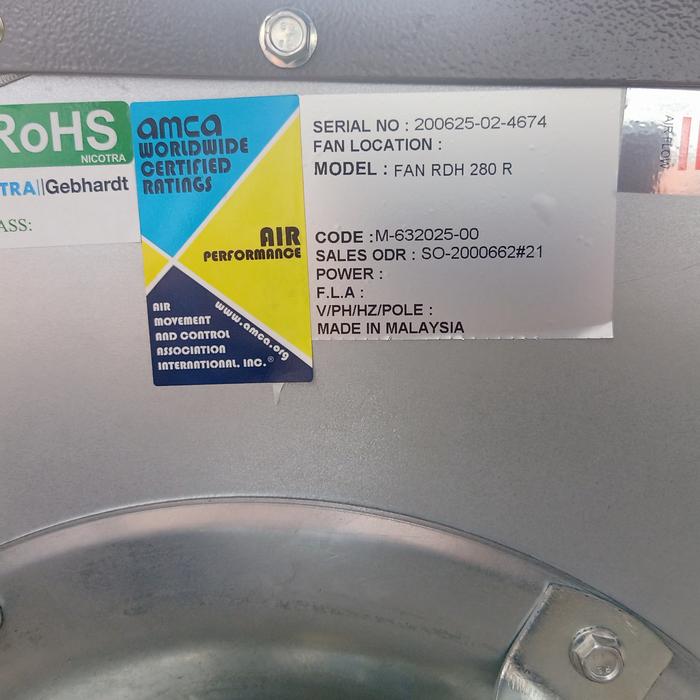
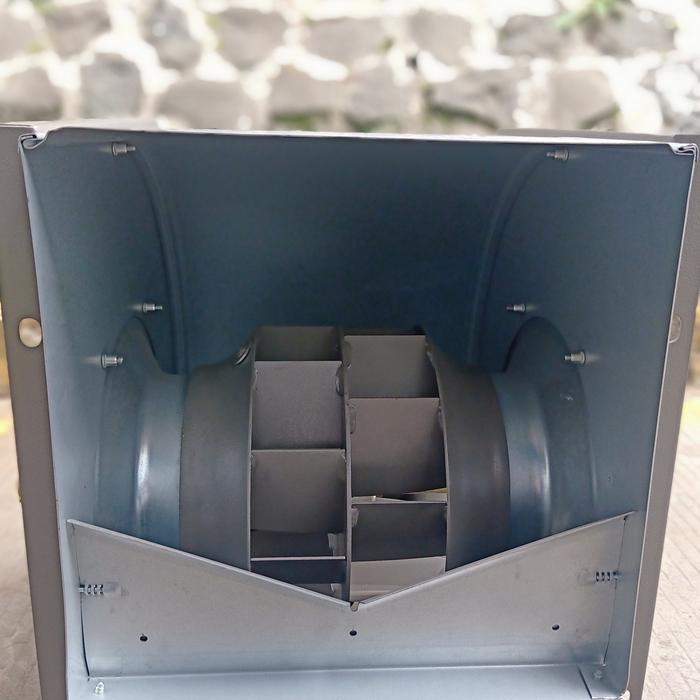
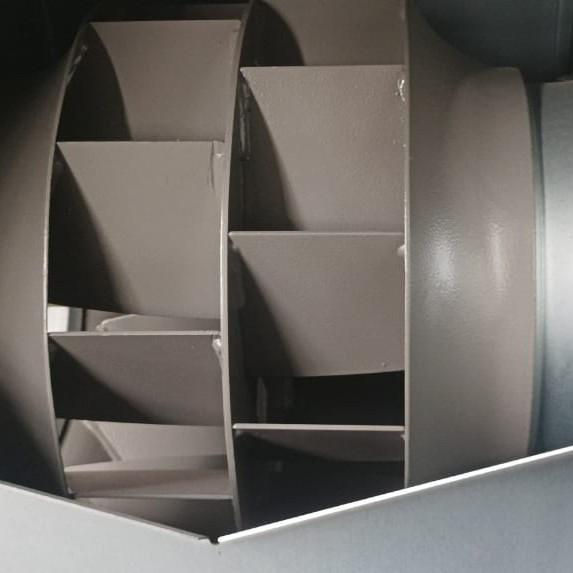
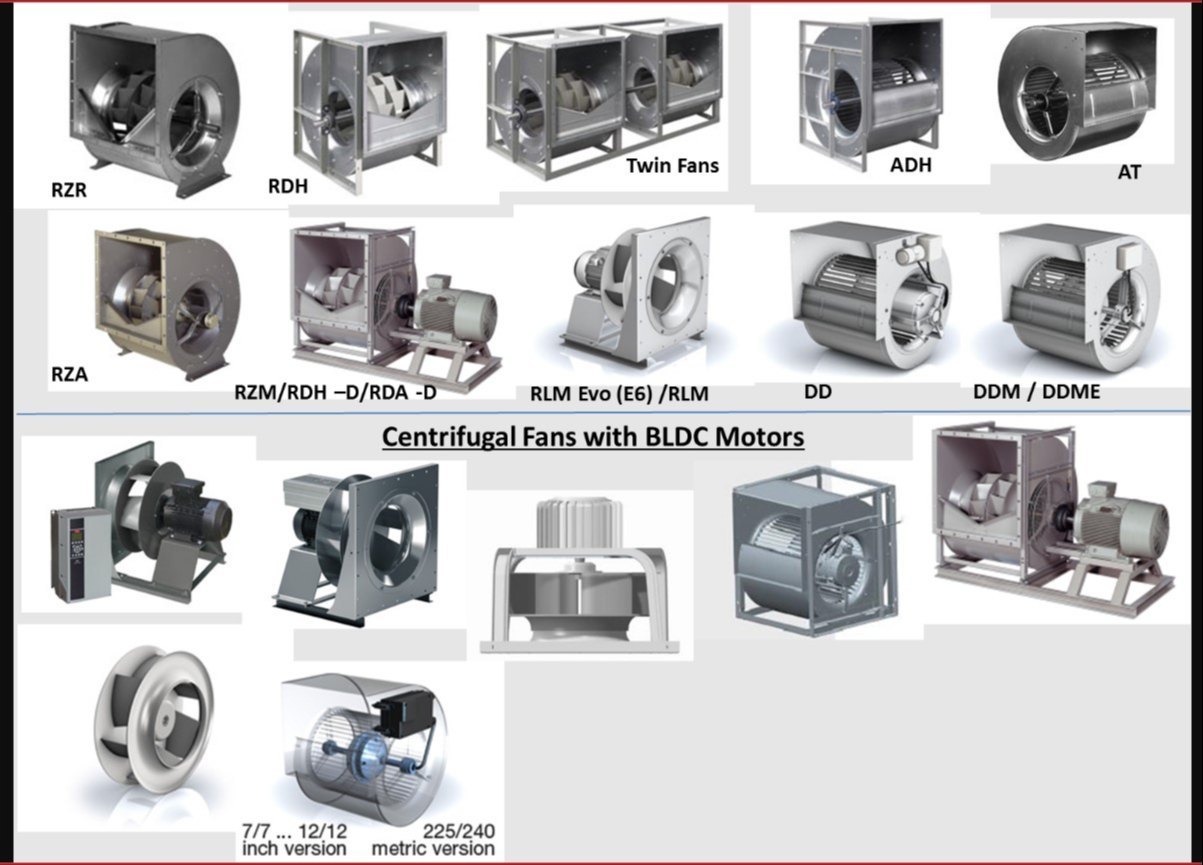
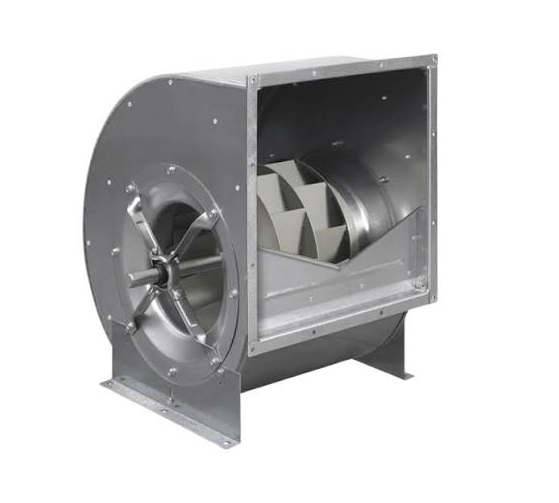
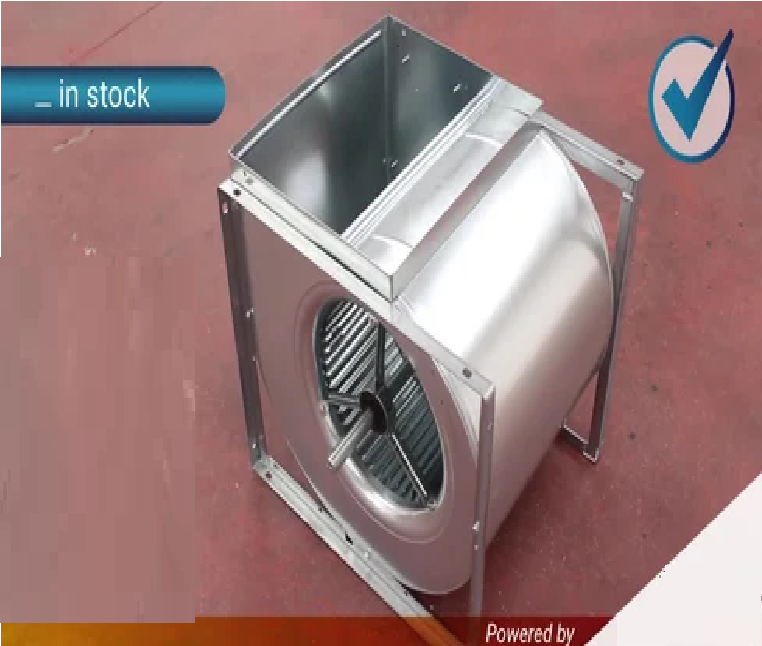
Nicotra Backward Curved Centrifugal Fan RDH 280 RIs An Industrial Centrifugal Fan Designed For Reliable And Efficient Air Movement In Ventilation And Air-Handling Applications. Its Backward-Curved Impeller Design Provides Efficient Airflow Performance And Dependable Operation For HVAC And Industrial Systems. Key Features – Nicotra
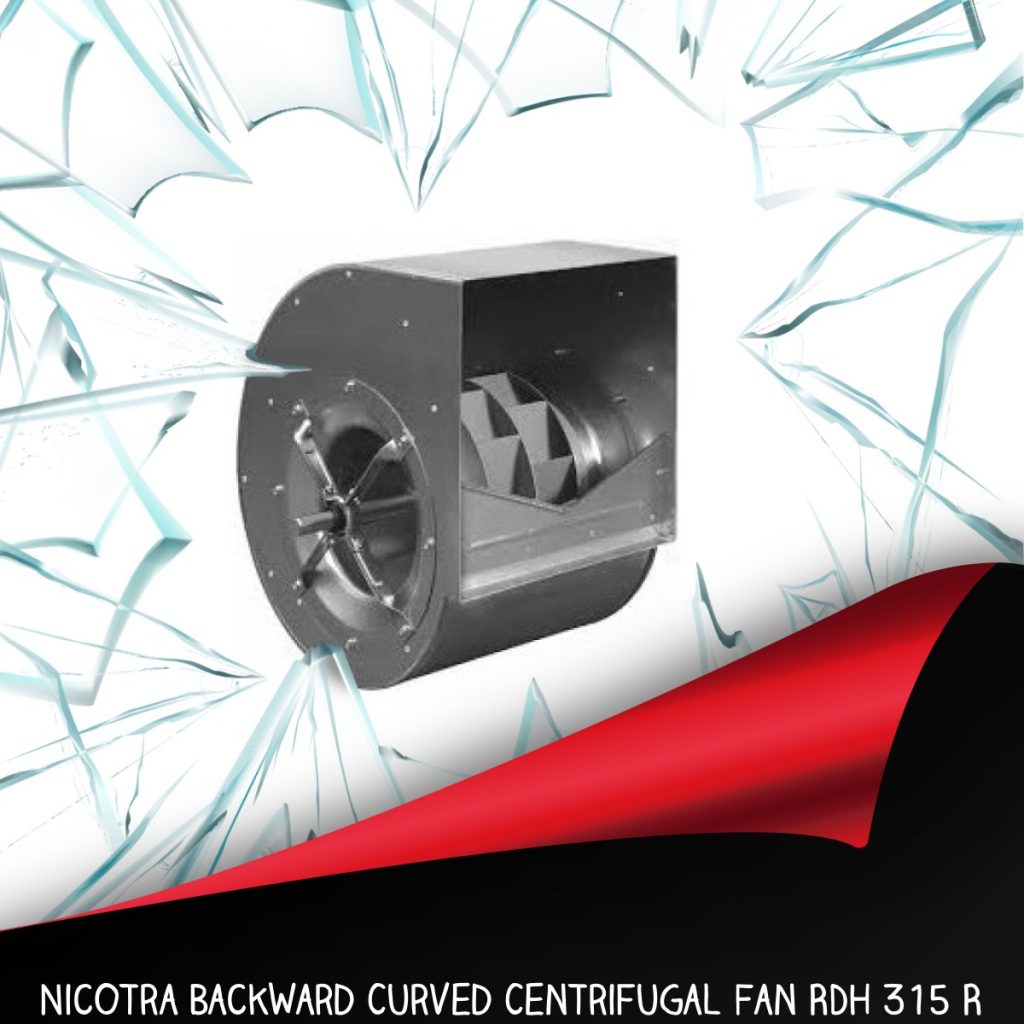
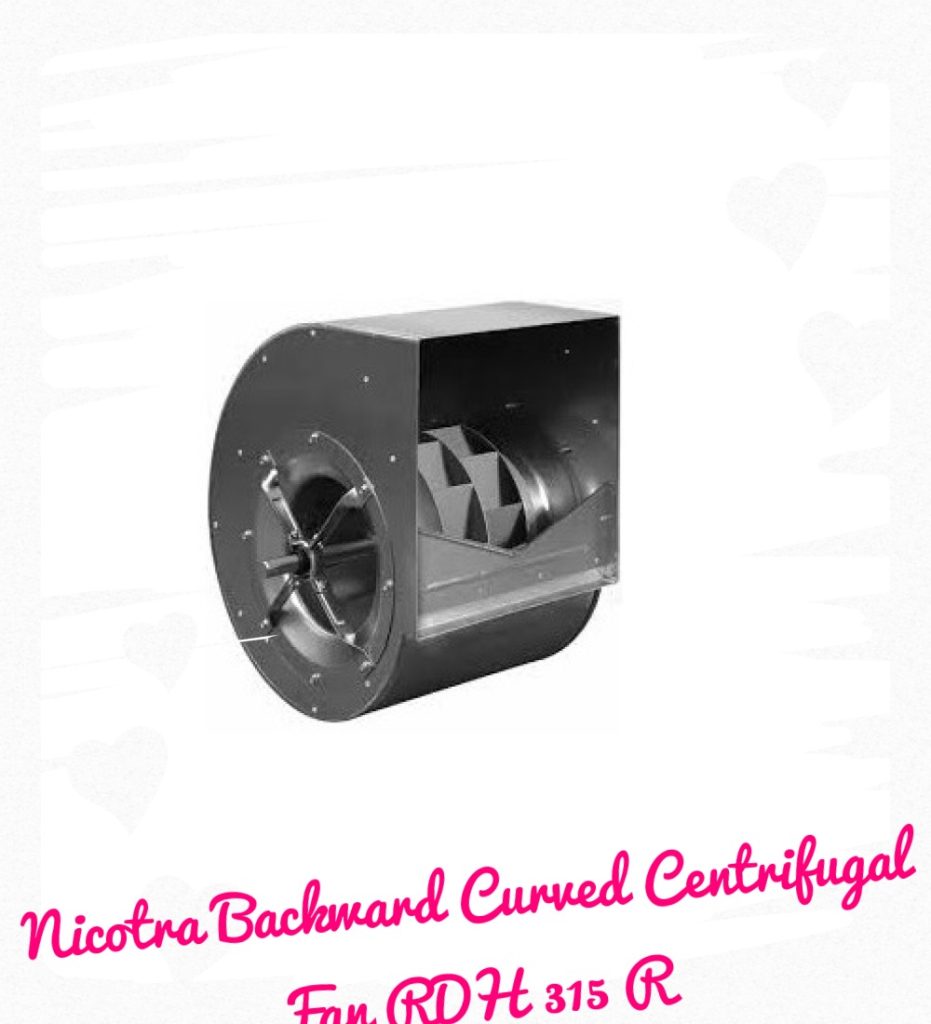
The Nicotra Backward Curved Centrifugal Fan RDH 315 R Is A High-Performance Centrifugal Ventilation Fan Designed For Reliable And Efficient Air Movement In Industrial And HVAC Applications. The RDH Series Features A Robust Scroll Casing And Backward-Inclined Centrifugal Impeller Design For Efficient Airflow, Dependable Operation And Long Service Life.
The RDH 315 Model Has A 315 MM Impeller Diameter And Is Designed For Demanding Ventilation And Air-Handling Applications Where Stable Airflow And Pressure Performance Are Required. Key Features – Nicotra
Airflow: Performance Depends On Operating Speed And System Conditions
Pressure: Performance Depends On Operating Speed And System Resistance
Installation: Suitable For Ventilation And Air-Handling Systems
Manufacturer: Nicotra / Nicotra-Gebhardt
Performance Reference
For The RDH 315 Size, Nicotra’s Technical Catalogue Provides Performance Curves Covering Multiple Operating Speeds And Pressure/Air-Volume Combinations. The Catalogue Also Notes That Rated Performance Depends On The Installation Arrangement And That Transmission Losses Are Not Included In The Stated Power Rating.
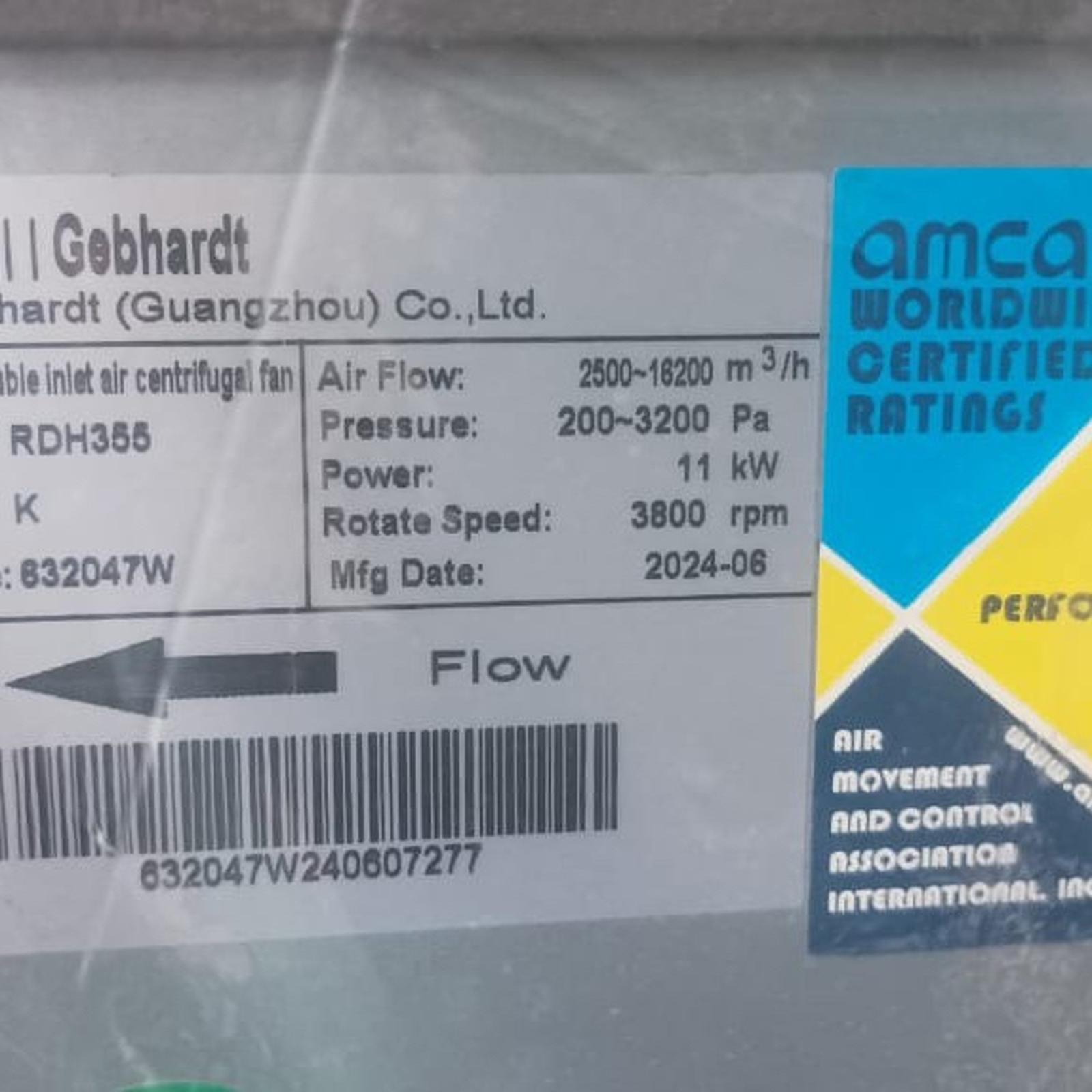
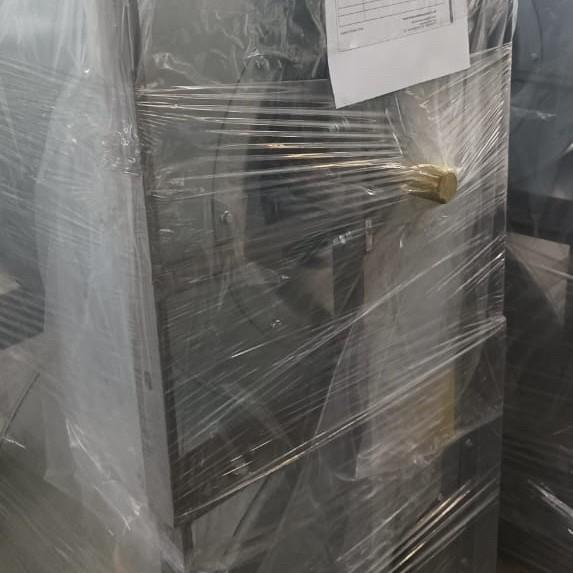
Nicotra RDH 355 R Is A High-Performance Backward-Curved / Backward-Inclined Centrifugal Fan Designed For Efficient Air Movement In HVAC, Ventilation And Industrial Air-Handling Applications. The RDH Series Is A Double-Width, Double-Inlet (DWDI) Centrifugal Fan Family Engineered For Reliable Airflow, Energy-Efficient Operation And Continuous Industrial Service.
The RDH 355 R Is Suitable For Demanding Air-Handling Systems Where Stable Airflow, Robust Construction And Dependable Operation Are Required.
The Nicotra RDH 400 R Is A Backward-Curved Centrifugal Fan Designed For Efficient And Reliable Air Movement In HVAC, Ventilation And Industrial Air-Handling Applications. The RDH Series Uses A Scroll Casing And Backward-Inclined Impeller Design For Efficient Airflow And Stable Operation. The RDH Family Covers Sizes From 0180 to 0560 And Can Provide Airflow Up to 90,000 m³/h And Pressure Up to 3,500 Pa, Depending On Configuration. Key Features – Nicotra
The Technical Data For The RDH 400 Size Lists An Impeller Diameter Of 402 MM, 11 Blades And An Impeller Weight of 12.7 kg. Exact Airflow, Pressure, Motor Power And RPM Depend On The Selected RDH 400 Configuration And Operating Point, So These Should Be Confirmed From The Fan Selection/Performance Curve Rather Than Treated As One Fixed Value.
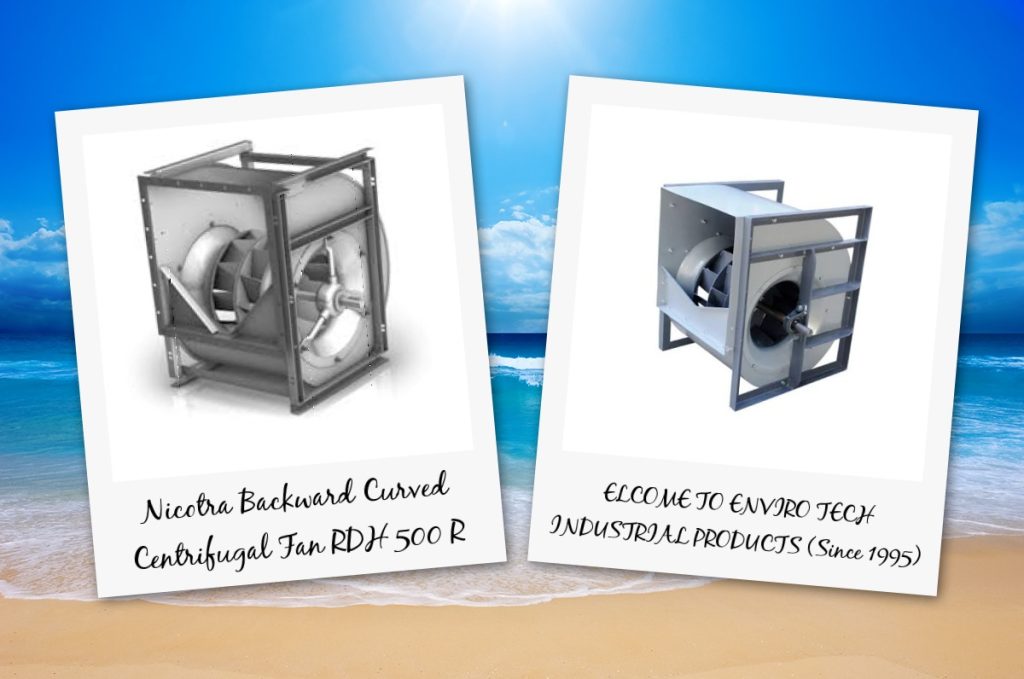
NICOTRA RDH 500 R Is A Backward-Curved Centrifugal Fan Designed For Efficient And Reliable Air Movement In Ventilation And Air-Conditioning Systems. The RDH Series Uses A Double-Inlet Scroll Casing And Backward-Inclined Centrifugal Impeller Technology. The RDH Range Is Designed For High Airflow, Efficient Operation And Dependable Continuous-Duty Performance. KEY FEATURES – NICOTRA
Important: Exact Airflow, Static Pressure, RPM, Motor kW/HP And Impeller Weight For An RDH 500 R Depend On The Selected Fan Configuration, Operating Point And Drive Arrangement. The Official NICOTRA RDHDocumentation Should Be Used For The Exact Selection Rather Than Assuming One Fixed Value. The Official RDH Range Covers Sizes 0180–0560 And Specifies Pressure Capability Up To 3,500 Pa.
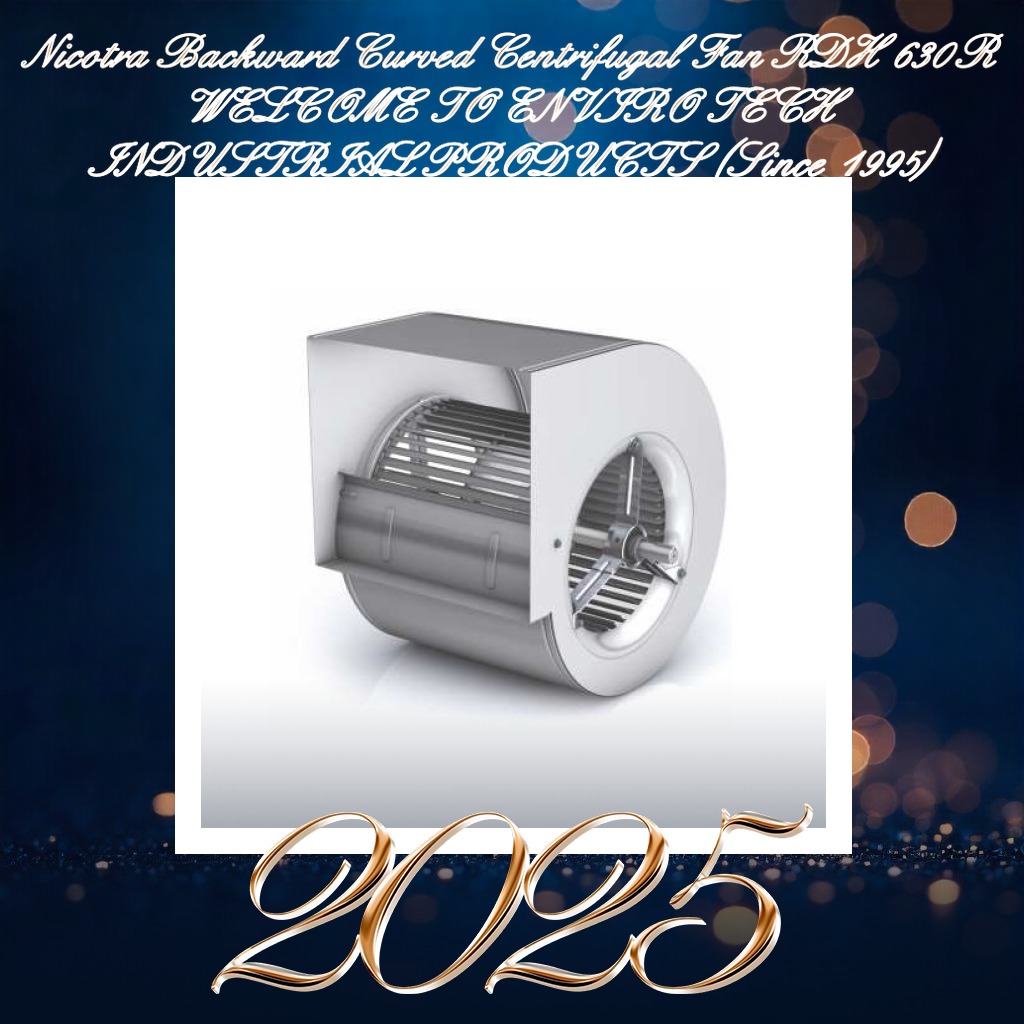
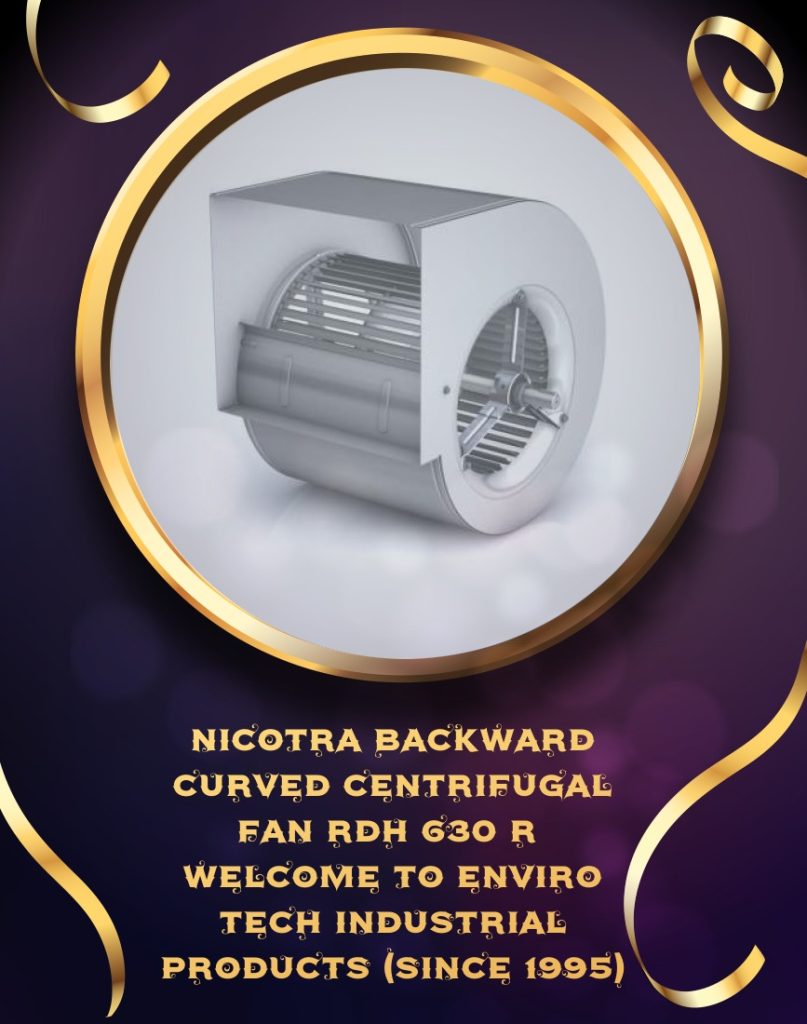
NICOTRA BACKWARD CURVED CENTRIFUGAL FAN RDH 630 R IS A HIGH-PERFORMANCE DOUBLE-INLET CENTRIFUGAL FAN DESIGNED FOR HVAC, AIR HANDLING, INDUSTRIAL VENTILATION AND AIR-CONDITIONING APPLICATIONS. THE RDH SERIES FEATURES A ROBUST GALVANIZED STEEL SCROLL CASING AND A HIGH-PERFORMANCE IMPELLER WITH BACKWARD-INCLINED BLADES. THERDH 630 R IS DESIGNED FOR RELIABLE AIRFLOW, HIGH EFFICIENCY AND CONTINUOUS INDUSTRIAL OPERATION. KEY FEATURES – NICOTRA
PERMISSIBLE MEDIA TEMPERATURE: APPROX. -20°C TO +85°C
FAN WEIGHT: APPROX. 119 KG
NICOTRA RDH 630 R – PRODUCT HIGHLIGHTS
NICOTRA RDH 630 R OFFERS A COMBINATION OF HIGH AIRFLOW, ROBUST CONSTRUCTION, BACKWARD-INCLINED IMPELLER TECHNOLOGY AND RELIABLE BELT-DRIVE OPERATION. IT IS SUITABLE FOR DEMANDING HVAC, AIR HANDLING AND INDUSTRIAL VENTILATION APPLICATIONS.
NOTE: ACTUAL AIRFLOW, PRESSURE, MOTOR POWER AND FAN SPEED DEPEND ON THE SELECTED FAN CONFIGURATION, OPERATING POINT AND INSTALLATION CONDITIONS. OFFICIAL NICOTRA DATA FOR THE RDH 630 SIZE SHOULD BE USED FOR FINAL SELECTION.
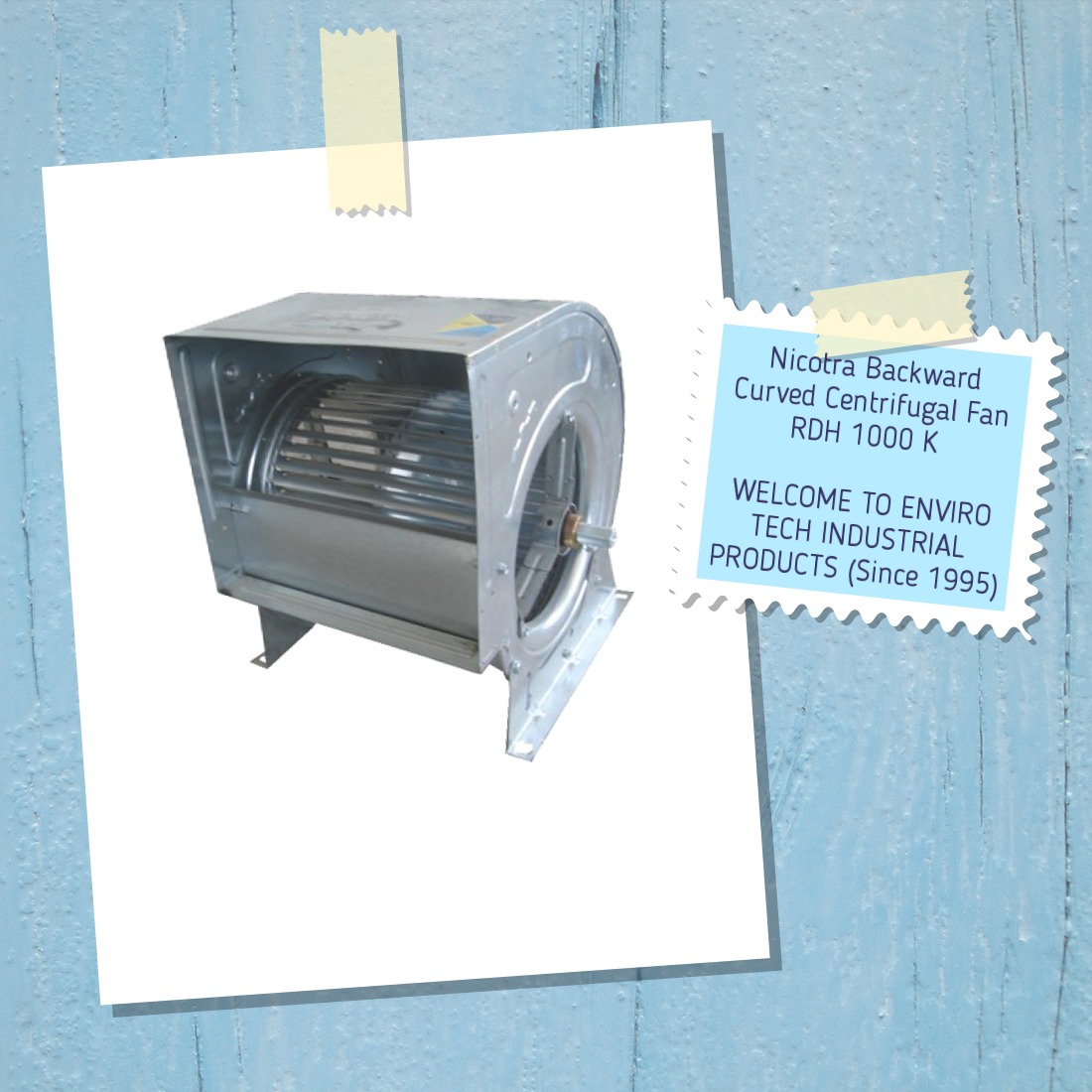
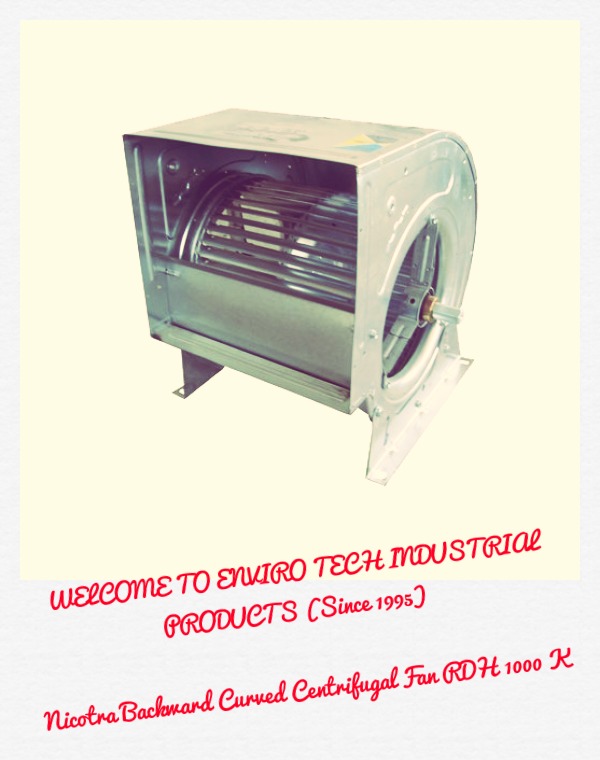
NICOTRA RDH 1000 K IS A HIGH-PERFORMANCE, DOUBLE-INLET, BELT-DRIVEN CENTRIFUGAL FAN WITH BACKWARD-INCLINED BLADES, DESIGNED FOR INDUSTRIAL VENTILATION, HVAC AND AIR-HANDLING APPLICATIONS. THE RDH 0630–1000 SERIES FEATURES A GALVANIZED STEEL SCROLL CASING AND A HIGH-PERFORMANCE IMPELLER WITH 11 BACKWARD-INCLINED STEEL BLADES.
THE RDH 1000 TECHNICAL DATA SPECIFIES A 1002 MM IMPELLER DIAMETER, 11 BLADES, AND 146 KG IMPELLER WEIGHT. THE RDH 0630–1000 SERIES IS SPECIFIED FOR AIR VOLUMES UP TO 290,000 M³/H AND PRESSURES UP TO 3,500 PA.
GEMTECH DIFFERENTIAL PRESSURE GAUGE SPOTTED ON A COFFEE ROASTER
A GEMTECH DIFFERENTIAL PRESSURE GAUGE on a Coffee Roaster is Used to Measure and Monitor The Static Pressure and Airflow Inside The Roasting Drum. It Helps Maintain Roasting Consistency, Prevent Drum Blockages, And Ensure Safe Venting.
Here is What That Gauge is Specifically Doing On The Roaster:
1. Measuring Airflow and Vacuum (Draft)Most Drum Roasters Use An Exhaust Fan to Draw Hot Air And Chaff Away From The Beans, Creating a Negative Pressure (Vacuum) Inside The Drum. The GEMTECH DIFFERENTIAL PRESSURE GAUGE Connects Via Silicone Tubing To a Port in The Neck of The Roaster to Read This Negative Pressure in Unit like MM H₂O or Pascals (Pa).
2. Preventing Clogging and Drift As You Roast, Chaff, Oils, And Particulate Matter Build up in The Exhaust Piping And Cyclone. This Buildup Creates Airflow Resistance.
The Problem: If Airflow Resistance Increases, Less Heat is Transferred To The Coffee Beans And The Roast Profile Is Compromised.
The Gauge: By Tracking The Pressure Differential, You Know Exactly When Your Airflow is Dropping So You Can Clean The Exhaust.
3. Profile Reproduction Consistent Air Flow Equals Consistent Roasting. Instead of Blindly Quessing The Exhaust Fan’s Setting, The Pressure Gauge Provides Hard, Quantifiable Data. If a Past Roast Was Exceptional, You Can Adjust The Fan Damper Until The Pressure Gauge Reads The Exact Target Differential For That Specific Recipe.
Typical SpecificationsIf The Roaster is Utilizing a GEMTECH DIFFERENTIAL PRESSURE GAUGE (Likely From The Series G2000), it Operates Via a Magnetic Helix Mechanism That Functions Without Wheel Gears, Making It Highly Resistant To Vibration.
Common Range: Typically 0 to 25 MM H₂O or 0 to 50 MM H₂O For Standard Commercial And Craft Roasters.
Display: Usually a Large 4-Inch Analog Dial Featuring a Movable Limit Pointer Used as a Visual Bookmark.
Additional Information:
Item Code:GEMTECH DIFFERENTIAL PRESSURE GAUGE SPOTTED ON A COFFEE ROASTER
A DWYER MAGNEHELIC DIFFERENTIAL PRESSURE GAUGE on a Coffee Roaster is Used to Measure and Monitor The Static Pressure and Airflow Inside The Roasting Drum. It Helps Maintain Roasting Consistency, Prevent Drum Blockages, And Ensure Safe Venting.
Here is What That Gauge is Specifically Doing On The Roaster:
1. Measuring Airflow and Vacuum (Draft)Most Drum Roasters Use An Exhaust Fan to Draw Hot Air And Chaff Away From The Beans, Creating a Negative Pressure (Vacuum) Inside The Drum. The DWYER MAGNEHELIC DIFFERENTIAL PRESSURE GAUGE Connects Via Silicone Tubing To a Port in The Neck of The Roaster to Read This Negative Pressure in Unit like MM H₂O or Pascals (Pa).
2. Preventing Clogging and Drift As You Roast, Chaff, Oils, And Particulate Matter Build up in The Exhaust Piping And Cyclone. This Buildup Creates Airflow Resistance.
The Problem: If Airflow Resistance Increases, Less Heat is Transferred To The Coffee Beans And The Roast Profile Is Compromised.
The Gauge: By Tracking The Pressure Differential, You Know Exactly When Your Airflow is Dropping So You Can Clean The Exhaust.
3. Profile Reproduction Consistent Air Flow Equals Consistent Roasting. Instead of Blindly Quessing The Exhaust Fan’s Setting, The Pressure Gauge Provides Hard, Quantifiable Data. If a Past Roast Was Exceptional, You Can Adjust The Fan Damper Until The Pressure Gauge Reads The Exact Target Differential For That Specific Recipe.